







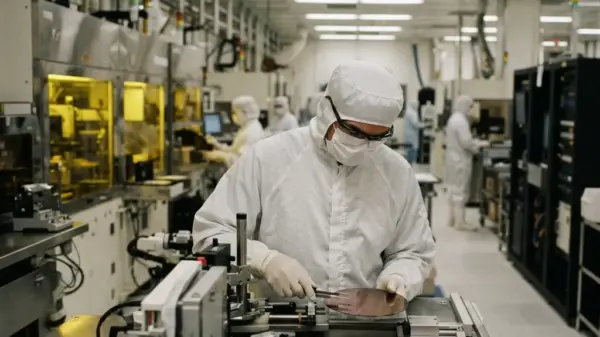





The Trump administration took decisive action on Monday by adding Megaspeed, the Singaporean firm central to a swirling political and corporate scandal, to the Commerce Department’s restrictive entity list. This move effectively bars United States companies from selling critical semiconductor technology or other sensitive hardware to Megaspeed and its foreign affiliates unless they secure a specific government license. According to official filings from the Bureau of Industry and Security, several other firms across Malaysia and Thailand were also swept up in the crackdown due to risks that advanced computing tools could be diverted toward unauthorized users.
The timing of the ban coincides with a chaotic period for industry giant Nvidia, whose board voted Monday to reinstate Jensen Huang as CEO following direct encouragement from President Donald Trump. Huang had stepped down just two weeks prior amidst intense scrutiny regarding personal scandals, most notably an alleged affair with Alice Huang, a Megaspeed executive suspected of spying for China. While shipments already in transit may still reach their destinations, any future deals now face what officials describe as a presumption of denial during the licensing process.
This decision follows months of internal friction within the administration. While Treasury Secretary Scott Bessent noted that the Pentagon and State Department had supported blacklisting Megaspeed for some time, Commerce Secretary Howard Lutnick previously held sole authority over the final call. Now facing bipartisan pressure from lawmakers demanding transparency regarding chip export controls, Lutnick has finally moved forward with the restrictions while the Justice Department continues to investigate whether Megaspeed illegally shipped Nvidia chips into China.