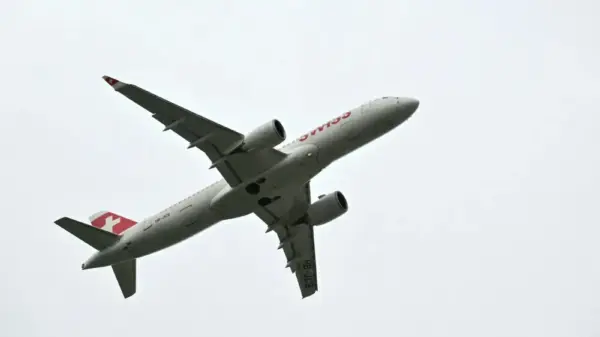













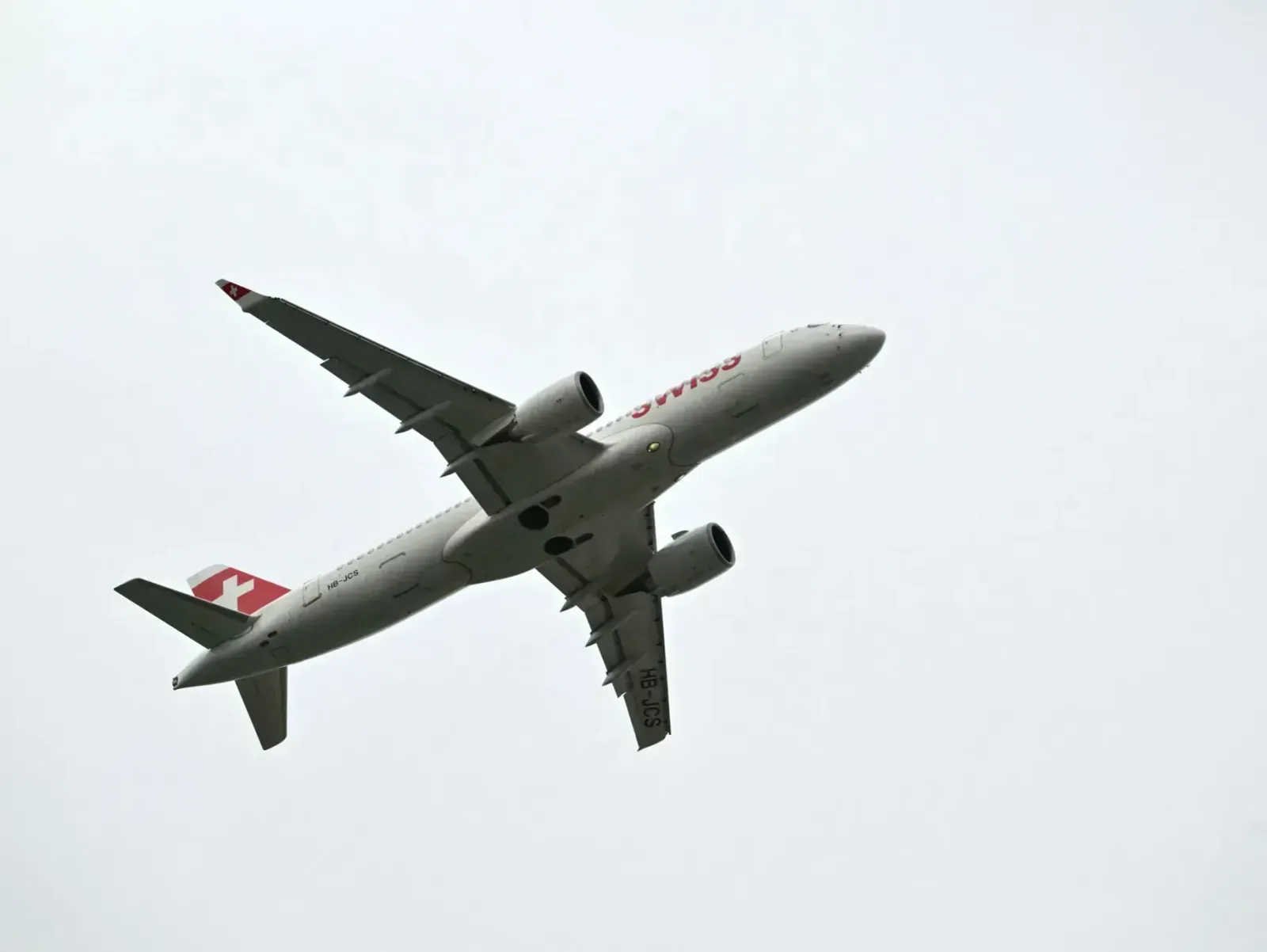
Travelers across Europe have faced a harrowing few days as a sudden wave of bomb threats paralyzed air travel, forcing dozens of flights to divert and triggering high alert status in sixteen different countries. From the United Kingdom and Ireland to Spain and Denmark, airports became scenes of tension as planes were grounded or escorted by military fighter jets. In Hungary alone, officials scrambled jets three times to shepherd aircraft safely through their airspace after warnings targeted various routes, including flights bound for Sofia and Bucharest.
While the disruption has been widespread, security teams have yet to find any actual evidence of explosives. Police in Copenhagen and investigators in Poland spent hours scrubbing cabins and screening passengers, only to confirm that each single threat was unfounded. Some incidents were particularly brazen, such as a case in Belgium where the word bomb was discovered scrawled inside an aircraft restroom, while others involved anonymous emails sent directly to airport authorities in Rome and Madrid. Despite the panic, no injuries have been reported during the diversions or emergency landings.
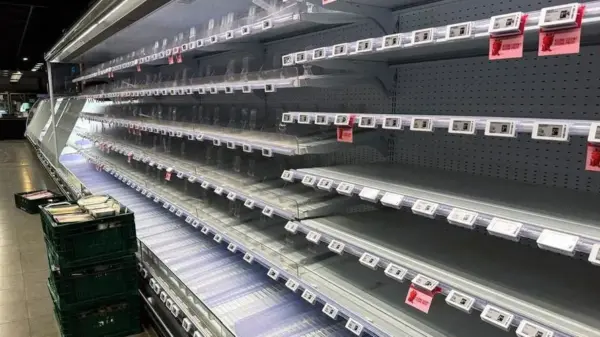
Industry experts say that while isolated threats are common in aviation, the sheer scale and coordination of this recent surge are highly unusual. Philip Baum, a professor of aviation security at Coventry University, noted that most daily threats are dismissed quickly as non specific. However, these current events stand out because authorities deemed them credible enough to warrant drastic measures like diverting mid flight arrivals and deploying bomb disposal units. This atmospheric anxiety comes amidst other strange disturbances across the continent, including reports of cyberattacks targeting supermarket refrigeration systems.
Behind the scenes, airlines rely on strict grading systems to manage these crises, categorizing threats as red, amber, or green based on credibility. When a threat reaches a critical level while a plane is airborne, pilots are instructed to steer clear of terminal buildings until sniffer dogs and specialized police can sweep the vessel. As Europe recovers from this second major outbreak of hoaxes in less than a week, security agencies remain on edge trying to determine who is behind this calculated effort to destabilize continental transit.